The cost to install solar panels depends on more than the panels themselves. A typical home may need equipment, labor, permits, inspections, and electrical upgrades. Roof condition also matters. Replacing shingles before installation can add a significant expense.
Real-world quotes often vary widely between homes. A small, shaded roof may require fewer panels but more design work. A larger roof may need additional wiring, mounting hardware, or a stronger electrical panel. Battery storage creates another major cost, although it can provide backup power during outages. Location changes the estimate too. Local sunlight, utility rules, incentives, and installer demand all influence the final price.
Get at least three written estimates. Ask each installer to explain panel efficiency, warranty coverage, expected production, and maintenance needs. Experienced contractors should provide a clear system design rather than a vague package price. Check licensing, certifications, insurance, and recent customer references before signing anything. Industry guidance from recognized energy authorities can help you compare technical claims.
Numbers can be confusing.
Online calculators offer useful starting points, not guarantees. Actual savings depend on electricity use, rate changes, shading, and system performance over time. Some estimates also overlook roof repairs or permit fees. That is easy to miss.
This guide examines the main expenses involved when homeowners Install Solar Panels. It also considers financing, incentives, long-term savings, and questions worth asking during consultations. The goal is a practical estimate, not a sales promise. Expect some uncertainty, and leave room in your budget for unexpected work.
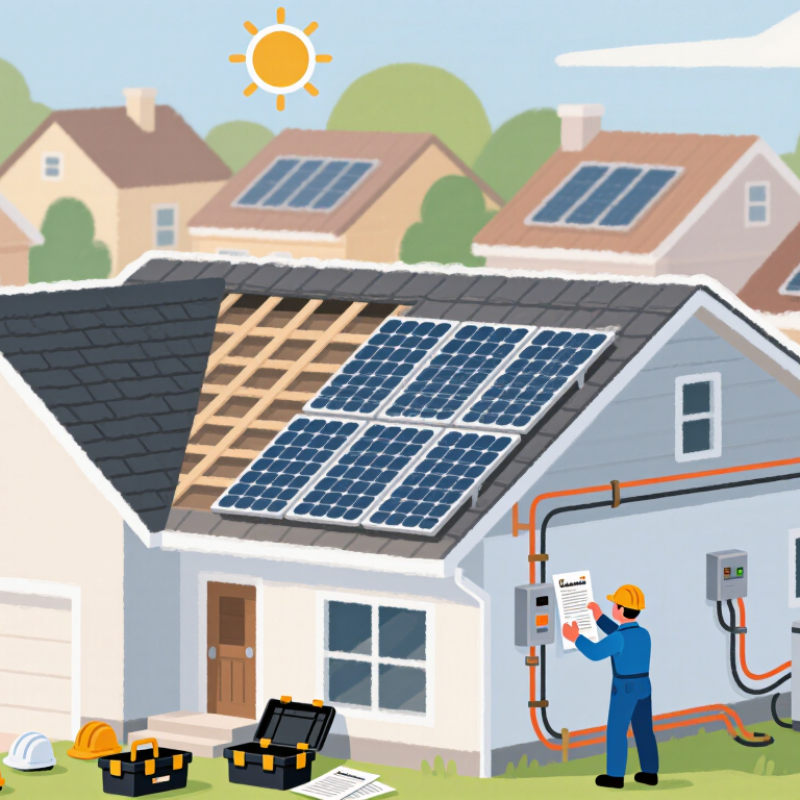
What Determines the Cost of Installing Solar Panels?
What Is the Cost to Install Solar Panels?
What Determines the Cost of Installing Solar Panels?
Solar installation costs depend on more than panel count. A larger home may need a larger system, but energy use matters more. Review twelve months of electricity bills before requesting estimates. Your roof’s size, angle, age, and shade also affect the design. A shaded roof may require fewer useful panels than expected.
Labor costs change by location and roof difficulty. Steep roofs, fragile materials, long cable runs, and electrical upgrades can increase the final price. Permits and inspections may add separate fees. Battery storage usually costs extra, especially when backup power requires a new electrical panel. Local incentives can reduce expenses, but eligibility rules and deadlines vary. Never treat an online calculator as a final quote.
Tips: Request at least three detailed proposals. Ask each installer to separate equipment, labor, permits, storage, and maintenance costs. Confirm the estimated annual production, warranty terms, and roof repair responsibilities. A clear proposal should explain assumptions. It should not hide them. Also, ask how production changes during cloudy months. The cheapest offer may use a smaller system or exclude necessary electrical work. That is where a tidy estimate can become misleading. A professional site assessment remains essential, and even careful forecasts can miss future tree growth or changing household electricity use.
What Determines the Cost of Installing Solar Panels?
Illustrative U.S. estimates use a planning cost of $3 per watt before incentives: a 5 kW system is about $15,000, a 7.5 kW system about $22,500, and a 10 kW system about $30,000. Actual prices vary with location, system size, roof condition and complexity, equipment, and installation requirements. A broad planning range is roughly $2.50–$3.50 per watt; local quotes may differ.
How Solar Panel Installation Costs Are Calculated
The cost to install solar panels depends on more than the panels themselves. A contractor usually calculates the price by estimating system size, equipment, labor, and site conditions. A household using 800 kilowatt-hours monthly may need a different system from a home using 1,500. Recent electricity bills provide a practical starting point.
Panel efficiency affects the number of panels required. Higher-efficiency panels can reduce roof space, but they may increase equipment costs. The calculation also includes an inverter, mounting hardware, wiring, monitoring equipment, and safety components. Battery storage is usually priced separately. It can add substantially to the installation budget.
Roof design changes the labor estimate. A steep roof, aging shingles, or limited access may require extra preparation. Electrical upgrades, structural repairs, permits, and local inspection fees can also raise the final price. Some projects qualify for incentives, but eligibility depends on location and current rules. Ask for an itemized proposal. It should show equipment quantities, labor charges, expected production, warranties, and exclusions. A low estimate may omit necessary work. A high estimate may include useful upgrades, but not always. My rough calculation would still need a professional site assessment, because shade from one nearby tree can change expected output. Each roof tells a different story.
What Is the Cost to Install Solar Panels? — How Solar Panel Installation Costs Are Calculated
| System Size |
Estimated Installed Price |
Estimated Gross Cost |
Example at $3.00 per Watt |
Calculation |
| 4 kW |
$2.50–$3.50 per watt |
$10,000–$14,000 |
$12,000 |
4,000 watts × $3.00 |
| 6 kW |
$2.50–$3.50 per watt |
$15,000–$21,000 |
$18,000 |
6,000 watts × $3.00 |
| 8 kW |
$2.50–$3.50 per watt |
$20,000–$28,000 |
$24,000 |
8,000 watts × $3.00 |
| 10 kW |
$2.50–$3.50 per watt |
$25,000–$35,000 |
$30,000 |
10,000 watts × $3.00 |
How to read these estimates: Gross cost is calculated by multiplying system capacity in watts by the installed price per watt. Estimates are illustrative U.S. residential ranges before incentives or financing costs. Actual prices vary by location, roof condition, system design, equipment, labor, permitting, and project complexity. Batteries, roof repairs, and electrical upgrades may add to the total; available incentives depend on current rules and individual eligibility.
What Equipment and Services Are Included in the Price?
Solar panel installation costs cover far more than the panels themselves. A professional quote usually includes photovoltaic modules, mounting rails, clamps, wiring, and an inverter. The inverter changes solar electricity into usable household power. Some systems also include a battery, backup equipment, and a monitoring device.
Labor is another major part of the price. It may cover roof measurements, structural checks, electrical work, system design, and final testing. Permits, utility applications, inspections, and grid connection services may also appear in the proposal. If the roof needs repairs, reinforcement, or tree removal, those expenses may be separate. A low quote can look attractive, but missing details often create expensive surprises. Even careful estimates are not perfect.
Tips: Ask for an itemized contract. Confirm whether labor, permits, delivery, and cleanup are included. Check the warranty terms for equipment and workmanship. Ask who handles inspection delays or failed tests. A site visit should examine roof age, shading, cable routes, and the main electrical panel. Compare at least three detailed quotes, not just their final prices. Feel the difference in clarity.
How Location, Roof Type, and System Size Affect Costs
What Is the Cost to Install Solar Panels?
How Location, Roof Type, and System Size Affect Costs
Solar panel installation costs vary widely by location. Labor rates, local permits, sunlight, and utility requirements all influence the final quote. A home in a sunny region may need fewer panels than one with frequent cloud cover. However, local approval fees can still increase the total. Installers usually inspect the property before giving a firm estimate.
Roof type also matters. A simple asphalt roof often allows faster installation and lower labor costs. Metal roofs may require specialized mounting equipment. Tile roofs can take longer because workers must avoid cracking individual tiles. Flat roofs may need tilted racks, ballast, or additional wind protection. Roof repairs add another expense. Ignoring them is a costly mistake.
System size usually depends on electricity use, roof space, and available sunlight. A larger system costs more, but it may reduce future electricity purchases. Bigger is not always better. Oversizing the system can waste money if household usage remains low. A careful installer should review utility bills, shading, roof age, and structural condition. Even then, estimates are not perfect. Tree growth, changing energy habits, and future rate increases can alter the expected savings. Comparing several detailed quotes is wiser than choosing the lowest number.
Which Incentives and Financing Options Can Reduce Costs?
What Is the Cost to Install Solar Panels?
Solar installation prices vary by roof size, electrical upgrades, and local labor rates. The National Renewable Energy Laboratory’s 2024 cost benchmark places residential solar costs near $3 per watt before incentives. A 7-kilowatt system could therefore approach $21,000 before tax benefits. Roof repairs may add several thousand dollars, which homeowners often overlook.
Which Incentives and Financing Options Can Reduce Costs?
The federal Residential Clean Energy Credit can reduce eligible costs by 30%, according to the U.S. Department of the Treasury. It generally applies to qualified solar equipment and standalone battery storage, but it is not an instant discount. You need enough federal tax liability to use the credit fully. State rebates, utility incentives, and performance payments may reduce the balance further. Berkeley Lab’s Tracking the Sun report shows that local prices differ widely, so comparing several written estimates matters.
Financing changes the real cost. A cash purchase avoids interest, while a home-equity loan may offer longer repayment terms. Solar loans can preserve savings, but a high annual percentage rate may consume them. Ask whether the payment changes, whether prepayment is penalized, and who receives incentives. Leasing or power-purchase arrangements can lower upfront costs, yet they may complicate home sales. Read every transfer clause carefully. Cheap monthly payments are not always cheap. Even careful estimates can miss roof work, permit fees, or future electrical upgrades.
FAQS
Contractors estimate system size, equipment, labor, and site conditions. A home using 800 kilowatt-hours monthly may need a smaller system than one using 1,500. Recent electricity bills provide a practical starting point. The estimate remains imperfect.
A standard quote may include panels, mounting rails, clamps, wiring, and an inverter. It may also include monitoring equipment and safety components. Battery storage is often priced separately. Check every line.
Residential systems may cost about three dollars per watt before incentives. A seven-kilowatt system could approach $21,000 before tax benefits. Roof repairs, permits, and electrical upgrades may increase the final price. The roof can change everything.
Higher-efficiency panels require less roof space. They may help when the roof is small or partly shaded. However, their equipment costs can be higher. More efficiency is not always cheaper.
A steep roof may require extra safety preparation. Old shingles can require repairs before installation. Limited driveway or roof access may slow delivery and labor. One nearby tree can reduce expected production.
Some proposals include permits, utility applications, inspections, and grid connection services. Others list these costs separately. Electrical upgrades may involve the main panel, wiring, or structural supports. Never assume they are included.
Some projects may qualify for tax credits, rebates, or utility payments. Eligibility depends on location and current rules. A percentage-based credit may reduce eligible costs, but it is not an instant discount. You may need enough tax liability to use it fully.
Cash purchases avoid interest but require more money upfront. Loans may spread payments over several years. A high interest rate can reduce expected savings. Ask about payment changes, prepayment penalties, and incentive ownership. Small clauses matter.
Request at least three detailed proposals. Each proposal should show equipment quantities, labor, production estimates, warranties, and exclusions. Confirm whether delivery, cleanup, permits, and failed inspections are covered. The lowest price may omit necessary work.
Conclusion
The cost to install solar panels depends on several factors, including the system’s size, panel efficiency, equipment quality, roof condition, and local labor rates. Installation estimates usually combine the price of panels, inverters, mounting hardware, wiring, permits, inspections, design work, and professional labor. A larger household with higher electricity usage may need a bigger system, while a roof with multiple angles, limited access, or structural repairs can increase preparation and installation expenses.
Location also plays an important role because sunlight levels, utility requirements, and regional pricing vary. Homeowners should review available incentives, tax benefits, rebates, and energy credits that may reduce the overall investment, subject to local eligibility rules. Financing options such as loans, leases, or payment plans can make solar more accessible, although each choice has different costs and ownership terms. Comparing detailed quotes and evaluating long-term energy savings can help determine whether installing solar panels fits a household’s budget and energy goals.

 Linde Cable