Top Medium Voltage Cable Manufacturers Worldwide?

Time:2026-10-05 Author:Sienna
0%

Choosing the top Medium Voltage Cable manufacturers worldwide requires more than comparing revenue or factory size. Reliability begins with measurable engineering performance. IEC 60502-2 defines key requirements for extruded insulation cables from 6 kV to 30 kV. These requirements cover conductor design, insulation, testing, and installation conditions.

Demand is becoming harder to predict.

The International Energy Agency’s Electricity 2024 report expects global electricity consumption to grow by approximately 4% annually through 2026. Grid expansion, renewable projects, data centers, and urban development are increasing pressure on medium-voltage networks. CIGRE technical publications also emphasize cable ageing, partial discharge, accessories, and installation quality as critical reliability factors. A strong manufacturer must address all of them, not only produce longer cable lengths.

This guide evaluates global suppliers through practical indicators, including production capacity, product certifications, voltage ranges, fire performance, quality systems, and project experience. It also considers whether manufacturers support testing, jointing, technical documentation, and after-sales service. These details matter on a construction site, where a damaged drum or poorly prepared termination can delay energization for weeks.

Market rankings remain imperfect.

Company data varies by region, reporting year, and product definition. Some manufacturers publish transparent technical information, while others provide limited evidence. Therefore, this overview combines public company information, international standards, industry reports, and documented project capabilities. Readers should still verify current certifications, factory audits, delivery records, and local approvals before selecting a supplier. The best choice is not always the largest name. It is the manufacturer that consistently matches cable design with network conditions, installation practice, and long-term operating risk.
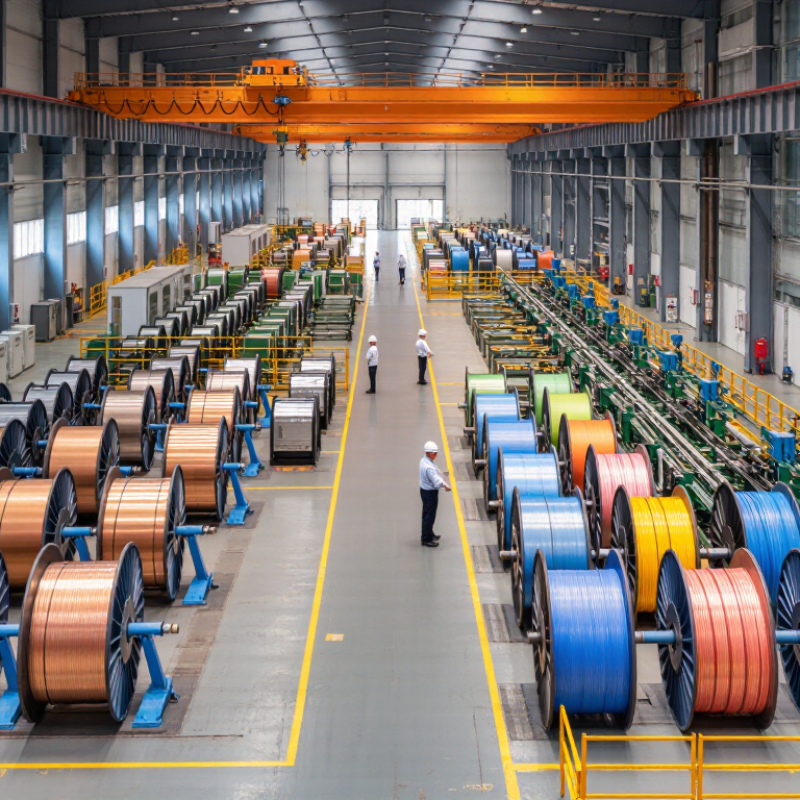
Top Medium Voltage Cable Manufacturers Worldwide?

Definition and Role of Medium Voltage Cables

Medium voltage cables carry electrical power above low-voltage systems and below high-voltage transmission networks. Exact boundaries vary by standard, project, and region. Many engineering specifications place them between 1 kV and 35 kV. IEC 60502-2 commonly guides insulated cable design within this range. A cable is more than a conductor. It combines a metallic core, insulation, screens, and protective layers. Each layer controls heat, electric stress, moisture, or mechanical damage. Small details matter. Definitions vary.

Their main role is safe, efficient distribution from substations to factories, hospitals, transport systems, and renewable-energy sites. Copper or aluminium carries current through the core. Semiconductive screens smooth the electric field around the insulation. A metallic screen provides a controlled path for fault current and supports safer protection settings. The outer sheath resists water, chemicals, sunlight, and abrasion. In underground installations, bedding and armouring may protect against crushing and accidental impact. Correct installation matters as much as cable design. Poor bending, contaminated joints, or inadequate earthing can cause partial discharge and early failure.

When comparing manufacturers worldwide, buyers should examine tested designs, traceable materials, routine production checks, and documented installation limits. Independent type testing adds confidence, but it cannot replace site-specific engineering. Temperature, soil conditions, short-circuit duty, and load cycles influence cable selection. A larger conductor is not automatically better. It may increase cost, weight, and joint complexity. Field conditions differ. Standards are not perfect. Specifications can look complete while ignoring termination space or maintenance access. Reliable decisions combine standards, verified test evidence, and practical field constraints. Cable performance is judged after years underground, not only in a factory report.

Medium Voltage Cable Ratings and Typical Applications

Medium voltage cables are insulated power cables generally used above 1 kV and up to approximately 35 kV. The chart presents standardized voltage ratings commonly specified for medium voltage cable systems. U0 represents the rated voltage between the conductor and earth, while U represents the rated voltage between conductors. These cables are used for utility distribution, industrial power networks, renewable-energy collection systems, and large commercial facilities.

Key Standards and Technical Specifications

When comparing top medium voltage cable manufacturers worldwide, standards and technical specifications deserve more attention than marketing claims. IEC 60502-2 commonly covers cables from 6 kV to 30 kV, while IEC 60840 addresses higher voltage applications. Regional projects may also require IEEE standards, utility specifications, or local testing rules. The correct reference depends on the installation environment.

A reliable cable specification should state conductor material, cross-sectional area, insulation type, metallic screen, and outer sheath. XLPE insulation is widely selected for thermal stability and lower dielectric losses. Engineers should check continuous ampacity, emergency loading, short-circuit withstand, and permissible voltage drop. Installation details matter too. A cable designed for trenches may not suit ducts, wet soil, or direct burial without additional protection.

Routine tests usually include conductor resistance, partial discharge, voltage withstand, and sheath integrity. Type tests provide deeper evidence under heat, mechanical stress, and electrical aging. Factory traceability is important, especially for long infrastructure projects. Field practice shows that a neat datasheet is not proof of dependable performance. It must match the actual network.

Small details matter.

Bending radius is often underestimated. Incorrect joint preparation can also defeat a well-made cable. Procurement teams should request calibrated test records, clear tolerances, and installation guidance. No standard removes every risk. Site conditions still require engineering judgment, and some specifications may need revision after field feedback.

Top Medium Voltage Cable Manufacturers Worldwide? - Key Standards and Technical Specifications
Cable Category Typical Rated Voltage Conductor Configuration Primary Insulation Metallic Screen Outer Sheath Common Standards and Technical References
Distribution Power Cable 3.6/6 kV to 18/30 kV Stranded compacted copper or aluminium conductor; normally Class 2 stranded construction Cross-linked polyethylene (XLPE) or ethylene-propylene rubber (EPR) Conductor screen, insulation screen, and copper wire or copper tape screen Polyvinyl chloride (PVC), polyethylene (PE), or low-smoke zero-halogen (LSZH) compound IEC 60502-2; IEC 60228; IEC 61442; applicable national utility specifications
Industrial Medium Voltage Cable 6/10 kV to 12/20 kV Compact stranded copper or aluminium conductor, commonly single-core or three-core XLPE with a semiconductive conductor screen and insulation screen Individual copper wire screen, copper tape screen, or concentric neutral arrangement PVC or PE; fire-performance options may use LSZH materials IEC 60502-2; IEC 60228; IEC 60332 series where flame performance is specified
Utility Underground Cable 8.7/15 kV to 18/30 kV Single-core or three-core compacted aluminium or copper conductor XLPE or EPR, with controlled electrical stress at the conductor and insulation interfaces Copper wire screen, copper tape screen, or metallic concentric neutral for earthing and fault-current paths PE or PVC; water-blocking layers may be incorporated for underground installation IEC 60502-2; HD 620 S2; IEC 60228; IEC 60811 for non-metallic material tests
Higher-Voltage Distribution Cable 26/45 kV to 36/66 kV Usually single-core compacted copper or aluminium conductor XLPE or EPR with a multilayer semiconductive screen system Wire screen or lead sheath, selected according to earth-fault current and installation design PE, PVC, or special low-smoke compounds IEC 60840 for rated voltages above 30 kV and up to 150 kV; IEC 60228; IEC 61442
Armoured Medium Voltage Cable 3.6/6 kV to 18/30 kV Copper or aluminium stranded conductor XLPE or EPR Copper wire or copper tape screen, with metallic armour where mechanical protection is required PVC or PE bedding and oversheath IEC 60502-2; IEC 60228; IEC 60332; armour construction selected according to IEC cable design requirements
Unarmoured Single-Core Cable 6/10 kV to 26/45 kV Single compacted copper or aluminium conductor XLPE or EPR Copper wire screen or copper tape screen; screen cross-section is calculated for permissible fault current PE, PVC, or LSZH compound IEC 60502-2 or IEC 60840, depending on rated voltage; IEC 60228; IEC 61442
Fire-Performance Cable Commonly 6/10 kV to 18/30 kV Stranded copper or aluminium conductor XLPE, EPR, or fire-resistant insulation system where circuit integrity is required Copper wire or copper tape screen LSZH or flame-retardant PVC compound IEC 60332-1-2 for vertical flame propagation; IEC 60332-3 for grouped cables; IEC 60754 for halogen acid gas; IEC 61034 for smoke density
Water-Blocked Cable 6/10 kV to 18/30 kV Compacted copper or aluminium conductor with longitudinal water-blocking materials XLPE or EPR Copper wire or copper tape screen; radial water barriers may also be used PE or PVC oversheath with swelling tape, powder, or water-blocking jacket system IEC 60502-2; IEC 60811 material tests; project-specific longitudinal and radial water-penetration tests
Substation and Switchgear Cable 3.6/6 kV to 12/20 kV Flexible stranded copper or compacted copper conductor XLPE or EPR Copper tape or copper wire screen, bonded to the earthing system at the designated termination points PVC, PE, or LSZH material depending on indoor or outdoor conditions IEC 60502-2; IEC 60228; IEC 61442; accessory compatibility with IEC 60840 or IEC 60502-4 requirements
Renewable-Energy Collector Cable Typically 6/10 kV to 18/30 kV Aluminium or copper conductor, often designed for long underground feeder routes XLPE or EPR with enhanced resistance to thermal cycling Copper wire screen or concentric neutral; screen design depends on grounding and fault-current requirements UV-resistant PE, PVC, or LSZH compound IEC 60502-2; IEC 60228; IEC 60332 where applicable; project requirements for UV, moisture, and thermal ageing
Cable Accessories Must match the cable voltage class and insulation diameter Compression or mechanical connectors sized for the conductor material and cross-section Stress-control components compatible with XLPE or EPR insulation Screen continuity, grounding, and sheath bonding provisions Heat-shrink, cold-shrink, premoulded, or separable connector systems IEC 60502-4 for accessories rated up to 30 kV; IEEE 48 for cable terminations; IEEE 404 for cable joints
Technical values are typical reference ranges for medium-voltage cable selection. The final design should verify voltage class, conductor size, short-circuit withstand, installation method, ambient conditions, earthing system, permissible voltage drop, and applicable national regulations.

Leading Medium Voltage Cable Manufacturers Worldwide

Leading Medium Voltage Cable Manufacturers Worldwide

Leading medium voltage cable manufacturers worldwide are judged by more than production volume. Their strength appears in controlled materials, repeatable processes, and dependable field performance. Experienced manufacturers typically produce cables for utilities, renewable projects, factories, rail systems, and commercial infrastructure. They understand that a cable drum may face rain, rough transport, tight bends, and limited installation space.

Technical capability begins with conductor quality and insulation consistency. Manufacturers commonly use copper or aluminum conductors with carefully controlled semiconductive screens. Cross-linked polyethylene insulation remains widely selected for its electrical and thermal performance. Production teams should monitor extrusion temperature, curing conditions, concentricity, and sheath thickness. Small process variations can become serious failures underground. Details matter.

Reliable manufacturers support their claims with documented testing. Routine tests may include conductor resistance, high-voltage testing, and partial discharge measurements. Type tests can examine heating cycles, mechanical stress, water penetration, and fire behavior. Independent laboratories add useful confidence, especially for international projects. Compliance with standards such as IEC 60502-2 or relevant national requirements is important, but certificates alone are not enough.

Practical experience also matters after delivery. Strong suppliers provide installation guidance, drum inspection records, jointing recommendations, and technical responses during commissioning. They can explain minimum bending radius in real conditions, not only on a data sheet. No factory is flawless. A transparent manufacturer admits process limitations, investigates complaints, and improves procedures through traceable evidence. That attitude often separates dependable long-term partners from low-cost sellers.

Manufacturing Technologies and Quality Control

Among top medium-voltage cable manufacturers worldwide, production quality begins with material discipline, not attractive packaging. Conductors are drawn from high-purity copper or aluminum under controlled tension. Each diameter is measured during production. Small deviations can increase heating and installation stress. Insulation compounds are mixed, dried, and tested before extrusion. Clean rooms matter here. Dust may create weak points inside the insulation. Experienced engineers monitor temperature, pressure, and line speed continuously. Their judgment still matters when equipment readings conflict.

Modern extrusion lines apply semiconductive screens and insulation in carefully aligned layers. Triple extrusion reduces contamination between interfaces. Curing must follow a stable thermal profile. Too little heat leaves defects, while excessive heat can damage polymer performance. Manufacturers use partial-discharge testing, dimensional checks, tensile testing, and ageing simulations. Samples are also inspected after controlled bending. This reflects real installation conditions better than a simple visual check. Yet no test predicts every field problem. That limitation deserves honest attention.

Quality control continues after electrical testing. Cable drums are sealed, labeled, and stored away from moisture and direct sunlight. Traceability links each length to materials, operators, machine settings, and test results. Independent audits can strengthen confidence for critical infrastructure projects. Still, paperwork is not proof by itself. A clean report cannot repair careless handling on site. Some teams focus on pass-or-fail numbers while overlooking installation radius and joint preparation. Better manufacturing combines laboratory precision with practical feedback. That feedback should change procedures, even when results are uncomfortable.

Applications and Selection Criteria for Medium Voltage Cables

Top Medium Voltage Cable Manufacturers Worldwide?

Applications and Selection Criteria for Medium Voltage Cables

Medium voltage cables support utility networks, renewable energy sites, factories, mines, and transport systems. They carry power between substations, transformers, switchgear, and large motors. Each application creates different thermal, mechanical, and environmental demands.

A cable near a coastal plant may face salt, moisture, and chemical exposure. An underground solar project may require stronger water blocking and direct-burial protection.

Selection should begin with the system voltage, load current, installation route, and expected fault level. Engineers should check conductor size, insulation thickness, metallic screen design, and outer sheath material. XLPE insulation is widely used because it handles heat and offers stable electrical performance. Ampacity calculations must reflect soil temperature, grouping, ducts, and ventilation. Ignoring these details can cause unnecessary heating. Sometimes, the smaller cable only appears cheaper.

Reliable purchasing also requires verified type tests, routine test records, dimensional data, and material traceability. IEC or IEEE-based testing can provide a useful technical reference, but certificates need careful review. Cable accessories deserve equal attention, including joints, terminations, and earthing connections.

Poor workmanship can defeat a well-designed cable. I would not trust a catalogue value alone.

Site conditions, installation quality, and maintenance access often decide long-term reliability. A practical inspection should include bending limits, screen continuity, sheath integrity, and clear labeling before energization.

FAQS

What is a medium voltage cable?

It carries electrical power above low-voltage systems and below high-voltage networks. Many specifications place it between 1 kV and 35 kV. Definitions vary.

What layers does a medium voltage cable contain?

It usually includes a metallic conductor, insulation, semiconductive screens, a metallic screen, and an outer sheath. Each layer manages heat, electrical stress, moisture, or physical damage.

Where are medium voltage cables commonly used?

They connect substations, transformers, switchgear, factories, hospitals, transport systems, and renewable-energy sites. Underground routes may use bedding or armouring for extra protection.

How should engineers select the correct cable size?

They should review system voltage, load current, fault level, installation route, soil temperature, grouping, and ventilation. A larger conductor is not automatically better.

Why is XLPE insulation often selected?

XLPE insulation provides thermal stability and relatively low dielectric losses. It supports stable electrical performance under demanding operating conditions. It is not a complete solution.

Which tests help verify cable quality?

Routine checks may include conductor resistance, partial discharge, voltage withstand, and sheath integrity. Type tests examine heat, mechanical stress, and electrical aging.

Why do installation practices affect cable life?

Excessive bending, dirty joints, weak earthing, or poor termination work can cause early failure. A good cable can still fail in poor field conditions.

What should buyers review before purchasing?

They should request test records, dimensional data, material traceability, installation limits, and accessory details. Certificates help, but site-specific engineering remains necessary.

What details are easy to overlook during installation?

Bending radius, screen continuity, sheath condition, joint preparation, labeling, termination space, and maintenance access deserve careful inspection. Small details matter.

Can standards guarantee long-term cable reliability?

No standard removes every risk. Performance also depends on soil, loading cycles, installation quality, and maintenance. A neat datasheet may still miss practical problems.

Conclusion

Medium Voltage Cable is a vital component in modern electrical distribution systems, typically used to transmit and distribute power across industrial facilities, commercial buildings, renewable energy projects, utilities, and infrastructure networks. This article explains its role, construction, insulation systems, voltage classifications, and the key international standards that guide design, testing, safety, and performance. It also reviews the technical specifications buyers should evaluate, including conductor materials, insulation type, shielding, fire resistance, environmental protection, and installation conditions.

The article further examines the capabilities expected from leading medium voltage cable manufacturers worldwide, with attention to production technology, material consistency, electrical testing, quality management, and reliability verification. Finally, it outlines common applications and practical selection criteria, helping readers compare cable designs according to voltage level, load capacity, mechanical stress, moisture exposure, operating temperature, installation method, maintenance requirements, and project regulations.


Sienna

Sienna

Sienna is a skilled marketing professional with a deep expertise in our company’s core products and services. With a passion for innovation and detail, she plays a pivotal role in crafting insightful blog posts that not only highlight the unique features of our offerings but also provide valuable......