Top Electric Wire Types You Need to Know for Global Sourcing?

Time:2026-05-28 Author:Mason
0%

In the rapidly evolving world of electrical engineering, understanding different types of electric wire is crucial. Expert James Thornton, a leading figure in the Electric Wire Wire industry, emphasizes, “Choosing the right wire can make or break your project's success.” Sourcing electric wire globally requires knowledge of various specifications and standards.

Electric wire types vary in material, insulation, and application. Each factor plays a significant role in performance. For instance, copper wires are favored for their conductivity, while aluminum wires are lighter and more cost-effective. However, not all projects can accommodate their unique attributes.

A misstep in wire selection can lead to safety hazards or operational setbacks. Careful evaluation is essential. Awareness of international standards is also vital, as regulations differ across regions. Ultimately, making informed decisions in electric wire sourcing is key to ensuring efficiency and reliability in electrical applications.
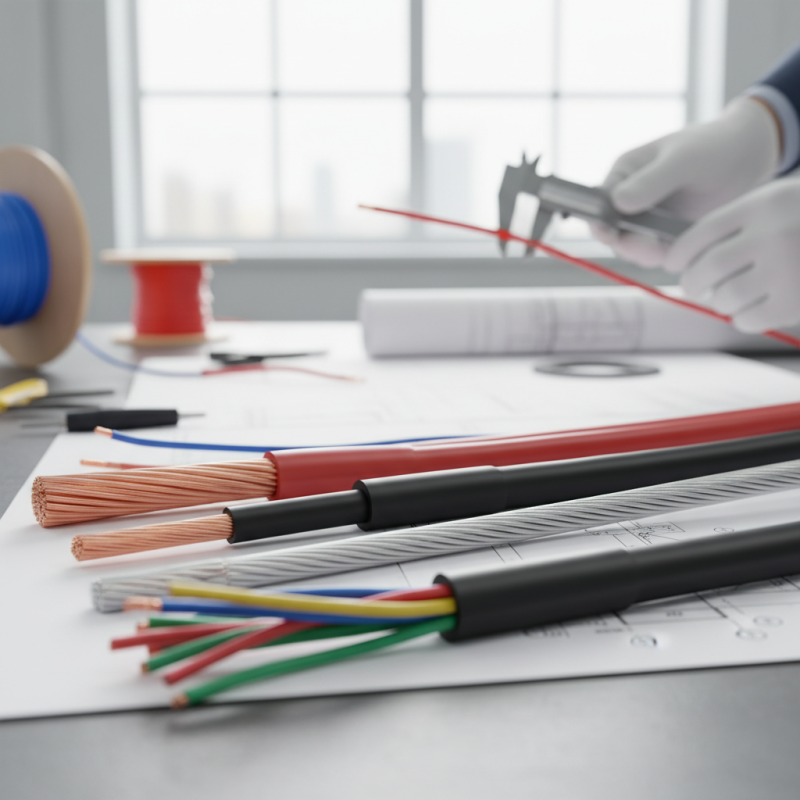
Top Electric Wire Types You Need to Know for Global Sourcing?

Understanding the Basics of Electric Wire Types for Sourcing

When sourcing electric wires, understanding the types available is crucial. The global market offers various options tailored to specific applications. For instance, copper and aluminum wires dominate due to their conductivity. According to a 2022 report by the International Wire & Cable Manufacturers, approximately 80% of electrical wires use copper. This metal is preferred for its superior conductivity and reliability. Meanwhile, aluminum wires provide a lighter and more cost-effective alternative, suitable for overhead power lines.

Choosing the right wire type involves recognizing the purpose and environmental factors influencing performance. Thermoplastic cables are often resistant to chemicals and moisture. In contrast, PVC-insulated wires are ideal for indoor applications, though they may not withstand extreme temperatures. The IEEE Standards Association notes that more than 50% of wire failures are due to improper insulation. Such statistics emphasize the need for careful selection based on environmental conditions.

Mistakes in wire sourcing can lead to costly project delays. Buyers should be cautious of manufacturers with vague certifications. Trustworthy suppliers typically provide detailed specifications and testing results. Research shows that companies engaged in rigorous sourcing processes experience a 30% lower failure rate in electrical systems. Balancing cost, quality, and regulatory compliance is vital in making informed decisions on electric wire types.

Common Insulation Materials Used in Electric Wires

When sourcing electric wires, understanding insulation materials is vital. Different insulation types offer unique benefits. Common materials include PVC, XLPE, and rubber. PVC is often used for its flexibility and low cost. XLPE provides excellent thermal resistance, making it suitable for high-temperature environments. Rubber insulation is known for its durability and resistance to environmental factors.

Tips: Choose the right insulation based on specific application requirements. Always consider safety ratings and environmental factors.

Insulation materials also impact wire performance. Proper insulation can prevent electrical faults and enhance longevity. However, not all materials fit every application. It’s crucial to evaluate operational conditions.

Tips: Regular inspections of insulation integrity are essential. This practice helps identify potential issues early. Educating your team on material properties can make a significant difference.

Top Electric Wire Types You Need to Know for Global Sourcing

Wire Type Common Insulation Material Temperature Rating (°C) Voltage Rating (V) Applications
TIA/EIA 568 PVC 60 300 Data Communication
THHN Nylon Coated 90 600 Building Wiring
XHHW Cross-Linked Polyethylene 90 600 Industrial Applications
UF Polyvinyl Chloride (PVC) 60 600 Outdoor and Underground
Romex NM-B (Non-Metallic) 90 600 Residential Wiring

Comparing Copper vs. Aluminum Wires in Global Sourcing

When sourcing electric wires globally, selecting between copper and aluminum is crucial. Copper has a higher conductivity, with about 60% better performance than aluminum. This quality makes copper wires ideal for applications requiring efficient energy transfer. However, copper is more expensive and can be less cost-effective for large projects.

Aluminum wires, on the other hand, are lighter and more affordable. They have about 30% the weight of copper for the same conductivity. This factor can lead to significant savings in shipping costs and installation. Reports indicate that aluminum is becoming increasingly popular in renewable energy projects, especially in solar applications, due to its lower material costs.

Tips: Consider the project requirements before choosing wire types. Evaluate not just the price, but also long-term performance. Weigh the trade-offs carefully; aluminum may suit budget-sensitive projects, while copper is preferable in high-performance scenarios. Be aware of installation challenges with aluminum, including the need for special connectors. Additionally, ensure compliance with local regulations regarding wire types.

Key Considerations for Selecting Electric Wires for Different Applications

When selecting electric wires for various applications, understanding the specifics of each type is crucial. Different environments demand different wire types. For instance, wires used outdoors must withstand environmental factors. They require insulation that is UV resistant and can endure temperature changes.

Another important factor is conductivity. Copper and aluminum are common choices. Copper has a higher conductivity and is often preferred for its efficiency. However, aluminum is lighter and more economical, making it suitable for transmission lines. Consider the balance between cost and performance when making your choice.

Safety is paramount in wire selection. Look for wires with appropriate ratings for voltage and insulation thickness. Misjudging these can lead to hazardous situations. Conduct thorough research to ensure compliance with industry standards. While it is tempting to opt for cheaper options, sacrificing quality can be problematic. Testing and validating the chosen wire are essential steps to prevent failures in the long run.

Regulatory Standards and Certifications for Electric Wires Worldwide

Choosing the right electric wire is crucial for any sourcing operation. Regulatory standards and certifications can significantly impact product quality and safety. Organizations like the International Electrotechnical Commission (IEC) set important guidelines. For instance, IEC 60227 outlines the requirements for PVC insulated cables, ensuring reliability in various applications. Understanding these regulations helps in making informed sourcing choices.

Different regions have unique certifications. In North America, UL and CSA mark compliance with safety standards. In Europe, products must adhere to the Low Voltage Directive (LVD). Non-compliance can lead to costly delays and recalls. According to recent reports, 35% of sourcing issues arise from misunderstandings about local regulations. This statistic highlights the necessity for thorough research.

Tips: Always check the applicable standards before placing an order. Engage with local experts to gain insights into certification processes. Regular training on regulatory updates can prevent future challenges. Adapting to dynamic regulations is not always straightforward, but it's essential for maintaining product integrity and market competitiveness.

Top Electric Wire Types and Their Certifications Worldwide

This chart illustrates the top types of electric wires used globally and their respective certifications. Understanding these wire types and their compliance with regulatory standards is crucial for sourcing decisions in the electrical industry.

FAQS

: What are common insulation materials used in electric wires?

: Common materials include PVC, XLPE, and rubber. Each offers unique benefits.

Why is PVC a popular choice for insulation?

PVC is flexible and cost-effective, making it a common choice for various applications.

What are the advantages of XLPE insulation?

XLPE provides excellent thermal resistance, suitable for high-temperature environments.

How does insulation impact wire performance?

Proper insulation prevents faults and enhances wire longevity, yet not all materials suit every application.

What should be considered when choosing between copper and aluminum wires?

Evaluate conductivity, cost, weight, and long-term performance before making a decision.

Why is aluminum becoming popular in renewable energy projects?

Aluminum is lighter and more affordable, leading to cost savings in shipping and installation.

What regulatory standards are important for electric wires?

Organizations like IEC set guidelines for safety, including PVC insulation requirements.

What challenges arise from misunderstanding local regulations?

Non-compliance can lead to costly delays. Research is crucial to prevent these issues.

How can one stay updated on regulatory changes?

Regular training on updates and engaging with local experts can help maintain compliance.

What are installation challenges with aluminum wires?

Special connectors are often needed, which can complicate the installation process.

Conclusion

This article provides a comprehensive overview of essential electric wire types crucial for global sourcing. It begins with an introduction to the basics of electric wire types, highlighting their importance in various applications. The discussion then moves to common insulation materials used in electric wires, which play a vital role in ensuring safety and efficiency.

Additionally, the article compares copper and aluminum wires, addressing their respective advantages and drawbacks for global sourcing decisions. Key considerations for selecting electric wires are presented, focusing on specific application requirements. Finally, it emphasizes the importance of understanding regulatory standards and certifications for electric wires worldwide, ensuring compliance and safety in international trade. Overall, this guide equips readers with the knowledge needed to select the right electric wire wire for their needs in the global market.


Mason

Mason

Mason is a seasoned marketing professional with a deep expertise in the company's offerings and a passion for driving brand awareness. With a strong background in digital marketing strategies, he has an innate ability to connect with diverse audiences and effectively communicate product benefits.......