Why Choosing the Right High Voltage Cable Matters for Your Project?

Time:2026-05-31 Author:Charlotte
0%

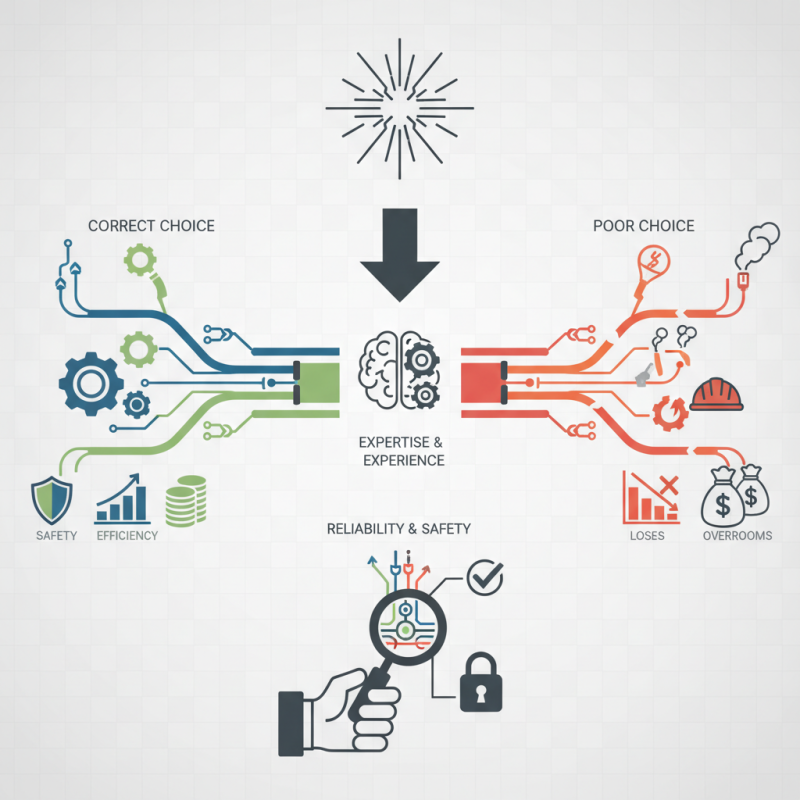
Choosing the correct high voltage cable is crucial for any electrical project. It directly impacts efficiency, safety, and cost. High voltage cables transmit significant electrical power over long distances. A poor choice can lead to energy losses, increased maintenance costs, and even safety hazards.

Many factors influence the selection of high voltage cables. These include the cable type, insulation materials, and environmental conditions. Understanding these elements requires experience and expertise in electrical engineering. Not every project is the same; each has unique requirements. A miscalculation can result in damaging delays and budget overruns.

Reflecting on past projects can provide valuable insights. Consider how the wrong cable choice led to issues. Recognizing these mistakes is key to improving decisions. In the end, investing time in selecting the right high voltage cable pays off significantly. It's about ensuring reliability and safety for all involved.
Why Choosing the Right High Voltage Cable Matters for Your Project?

Understanding High Voltage Cables: Key Characteristics and Types

High voltage cables play a crucial role in the transmission of electricity over long distances. Understanding their key characteristics can significantly impact the success of your project. One main feature is the insulation material. A good insulation reduces energy loss and prevents electrical failures. Different materials last under varied conditions.

There are several types of high voltage cables available. Common types include XLPE and oil-impregnated cables. XLPE cables boast higher thermal resistance, while oil-impregnated cables are more flexible. Each type serves unique purposes and environments. Choosing the right type can sometimes feel overwhelming. It's essential to analyze your specific project requirements carefully.

Another factor to consider is the cable's voltage rating. It determines the maximum voltage a cable can handle safely. Too high a voltage can lead to insulation failure. Too low may risk energy shortages. In some cases, cables may not perform as expected under extreme weather conditions. Reflecting on all these aspects ensures informed choices that minimize risks.

The Importance of Selecting the Right Voltage Rating for Your Project

When it comes to high voltage projects, voltage ratings are crucial. The right voltage rating ensures safe operations and system longevity. According to the International Electrotechnical Commission (IEC), approximately 30% of electrical failures arise from improper cable selection. This statistic highlights the need for careful evaluation in selection processes.

Improper voltage ratings can lead to overheating and electrical failures. A report by the Electric Power Research Institute (EPRI) indicates that using cables rated too low for their application can reduce system efficiency by 10-20%. Such inefficiencies may escalate operational costs. It’s essential to assess voltage ratings in relation to specific project requirements.

Moreover, many engineers often overlook the environment in which cables will be used. High humidity or extreme temperatures can further impact voltage performance. Cables with inadequate ratings may not only fail prematurely but could also threaten safety. Striking the right balance involves thorough research and understanding of both electrical load and environmental conditions. The implications of poor decisions in voltage ratings can be significant and lasting.

Factors to Consider When Choosing High Voltage Cables

Choosing the right high voltage cable is critical for any project. Several key factors impact this decision, such as the cable's insulation material, voltage rating, and installation environment. According to industry reports, improper cable selection can lead to severe failures. Faulty installations have been linked to 30% of all electrical incidents.

Insulation plays a vital role. High voltage cables often use materials like XLPE or EPR. Each of these options has unique properties. For example, XLPE is known for its thermal resistance and mechanical properties. EPR offers better performance in cold climates. Selecting the wrong material can jeopardize the cable’s lifespan.

Environmental conditions also matter. Cables installed underground face moisture and soil movement risks. Overhead cables are exposed to UV radiation. A study indicated that nearly 40% of cable failures occur due to environmental factors. Ensuring the right type is essential. It's clear that attention to these details can significantly enhance project reliability. Consider these aspects carefully for an effective installation.

Importance of High Voltage Cable Selection

Applications and Industries Benefiting from Quality High Voltage Cables

High voltage cables are essential for many industries. They are commonly used in power generation, transmission, and distribution. The efficiency of these cables affects the performance of electrical grids. In fact, research by the International Energy Agency indicates that energy losses can reach 10% due to inadequate cabling.

Applications span various sectors. From renewable energy projects to industrial manufacturing, the right cables ensure safety and reliability. According to a report from Technavio, the demand for high voltage cables is projected to grow by 7% annually, driven by the increasing need for sustainable energy solutions. Whether for offshore wind farms or urban power distribution, quality cables enable safer operations and longer lifespans.

Tip: Always consider the insulation type and temperature rating when choosing cables. These factors impact performance and lifespan significantly.

Another critical area is the integration of high voltage cables in electric vehicle infrastructure. As more vehicles transition to electric, the demand for reliable charging stations grows. This shift presents challenges in cable management and installation. Robust cables are crucial in preventing failures.

Tip: Regularly inspect and maintain cabling systems to avoid unforeseen downtimes or hazards. Small issues can escalate quickly if not addressed promptly.

Common Mistakes to Avoid When Selecting High Voltage Cables

Selecting high voltage cables can be daunting. Many overlook crucial details that can lead to project failures. One common mistake is ignoring the cable insulation type. Different environments require specific insulation materials. For instance, PVC might not withstand high temperatures or harmful chemicals. Choosing the wrong type may result in premature failures.


Another pitfall is inadequate voltage rating. Often, project managers choose cables based on short-term needs. However, underestimating voltage can lead to dangerous situations. Cables may overheat, causing fires or outages. It's essential to think long term and assess future voltage demands.


Also, dismissing the importance of certification is a mistake. Many cables lack the necessary safety certifications. This can undermine reliability. Make sure to select cables tested to industry standards. Lastly, don’t forget about the cable length. Longer cables can cause voltage drop, affecting performance. Correct measurements are crucial for efficiency. Ignoring these details invites risks that could have easily been avoided.

FAQS

: Why is selecting the right voltage rating important?

: The right voltage rating ensures safe operations and increases system longevity.

What percentage of electrical failures arise from improper cable selection?

Approximately 30% of electrical failures come from improper cable selection, according to the IEC.

What can happen if cables are rated too low?

Using cables rated too low can reduce system efficiency by 10-20% and escalate operational costs.

How do environmental conditions affect cable performance?

High humidity or extreme temperatures can impact voltage performance and lead to premature failure.

What role does insulation material play in high voltage cables?

Insulation material, like XLPE or EPR, affects thermal resistance and performance, influencing the cable's lifespan.

What risks do underground cables face?

Underground cables face risks from moisture and soil movement, which can lead to failures.

Why is attention to detail crucial in cable selection?

Poor decisions in cable selection can lead to significant and lasting implications for projects.

How can improper installations impact safety?

Faulty installations are linked to 30% of electrical incidents, highlighting the need for careful evaluation.

What happens if you overlook the installation environment?

Overlooking the environment can jeopardize performance and safety of the installation.

What should you do to enhance project reliability?

Consider cable insulation, voltage ratings, and environmental factors carefully for effective installations.

Conclusion

When embarking on a project that requires the use of High Voltage Cable, understanding its key characteristics and types is essential. Selecting the appropriate voltage rating is critical to ensure safety and efficiency, as it directly impacts the cable's performance in various applications. Factors such as environmental conditions, installation methods, and durability should all be carefully considered before making a decision.

High Voltage Cables are widely used across industries, from power generation to transportation, highlighting their versatility and importance. However, common mistakes—such as overlooking specific project requirements or failing to evaluate cable specifications—can lead to costly consequences. Thus, making informed choices when selecting High Voltage Cables is paramount for the success of any project.


Charlotte

Charlotte

Charlotte is a seasoned marketing professional with a deep understanding of the company's portfolio and a passion for elevating its presence in the market. With a keen eye for detail and a commitment to excellence, she ensures that our professional blog is regularly updated with insightful articles......